









NOVA IMS · Innovation & Analytics Lab

The Innovation & Analytics Lab at NOVA IMS designs human-centred solutions that are desirable, feasible and viable.

120+projects
30+partners & clients
14+research papers
DATAPEOPLEINNOVATIONDESIRABILITYFEASIBILITYVIABILITYHUMAN-CENTREDINNOVATION

Page two, if you dare

The immersive experience

Walk through the lab instead of reading about it. Most people don’t.

Page two, if you dare

The immersive experience

Walk through the lab in 3D, or stay outside and keep scrolling. The red button is safer. The blue one is better.

Step inside

On a phone the tour is heavier and may be slow. Everything in it is on this page too.

Step inside the immersive experienceKeep scrolling

01About the lab

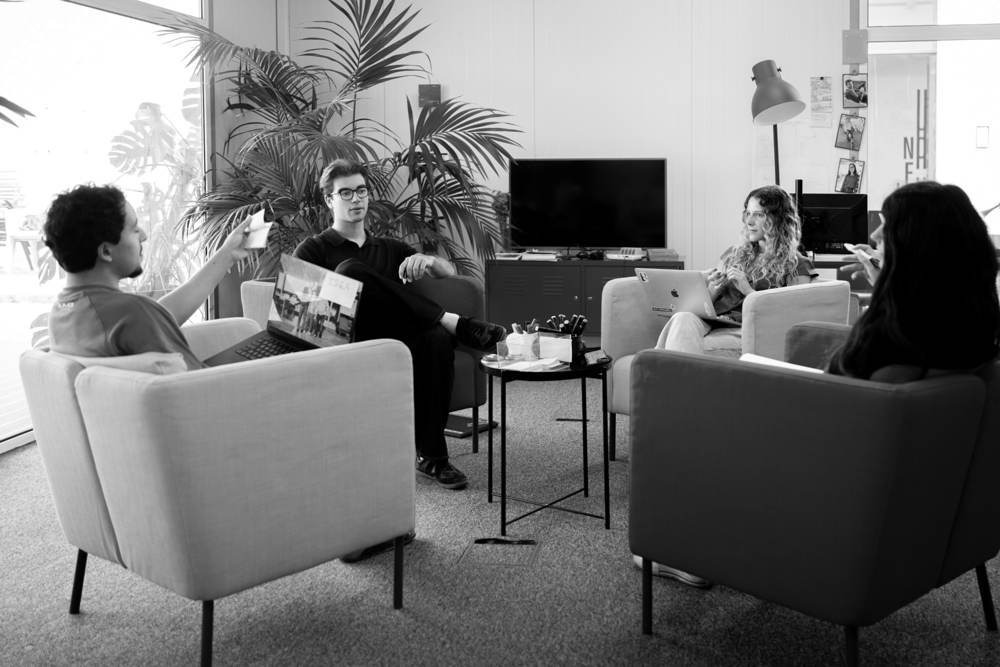
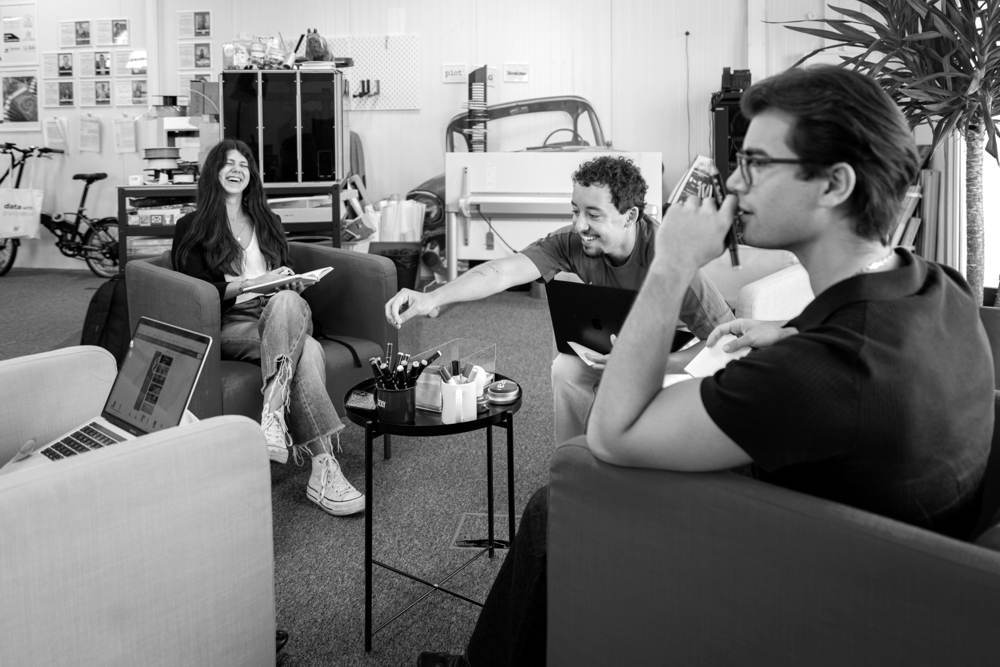
We work at the intersection of people and data, at a deep level, so we can create and take advantage of the new possibilities it enables.

For us, innovation is about new, positive, impactful ways to create meaningful learning opportunities, and to enable people to untangle complexity and make better decisions.

02Design Thinking

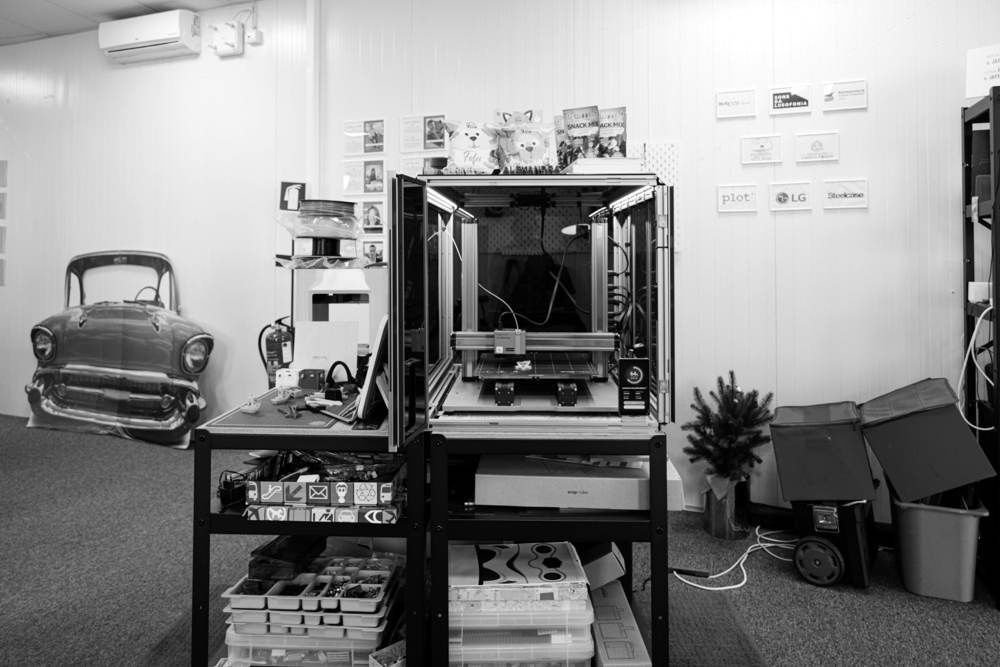
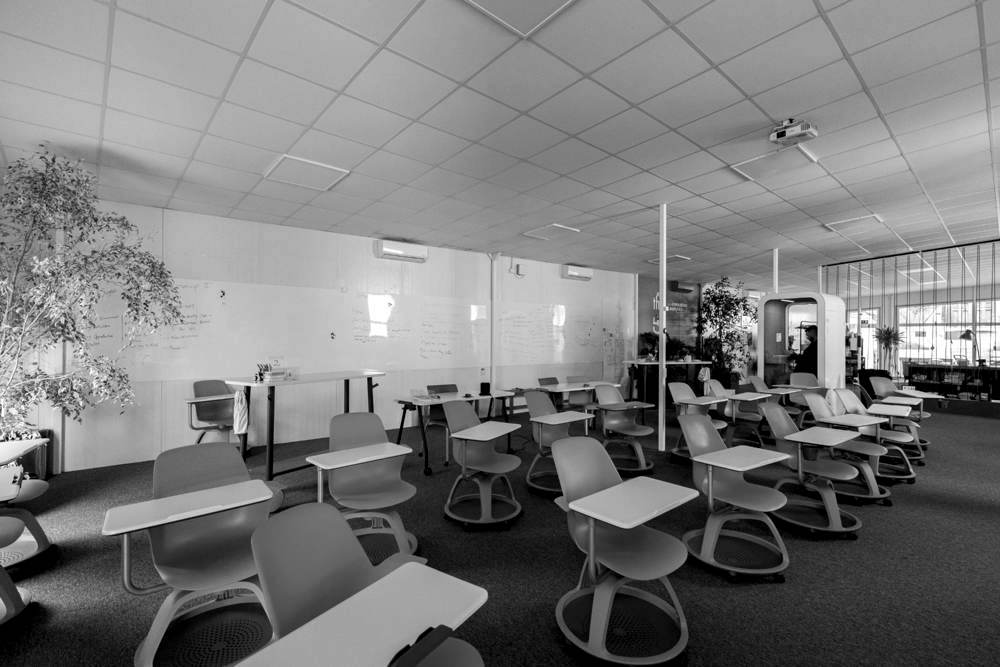
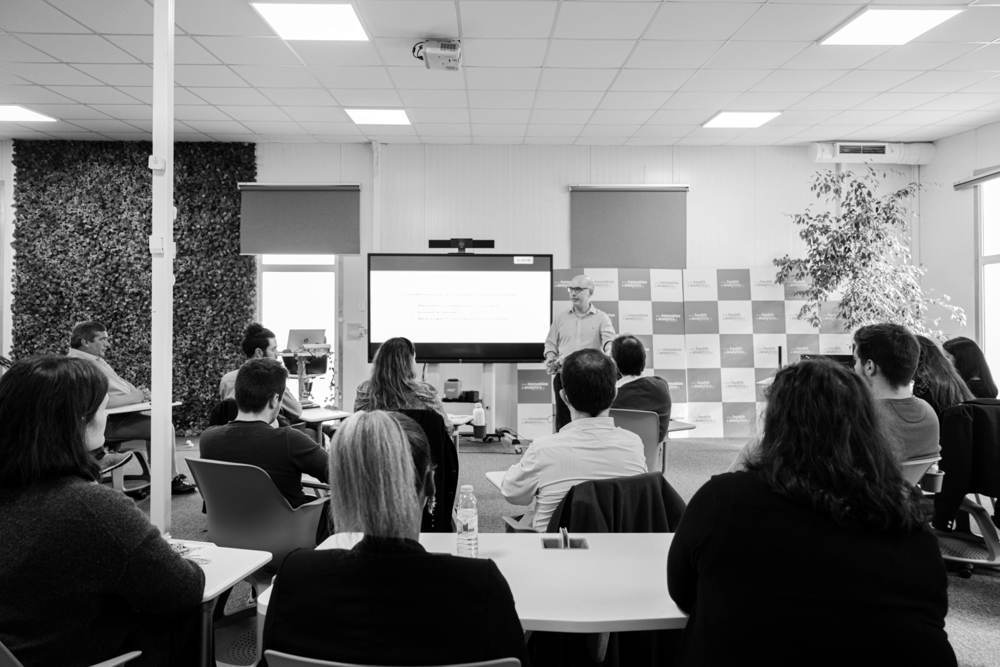
A way of working, and a room built for it

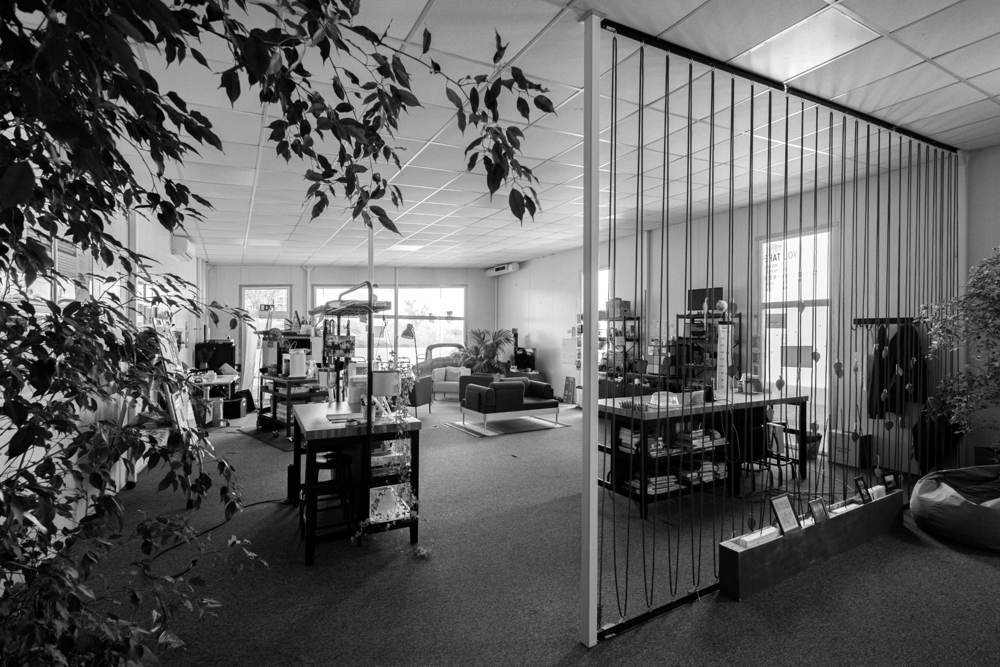
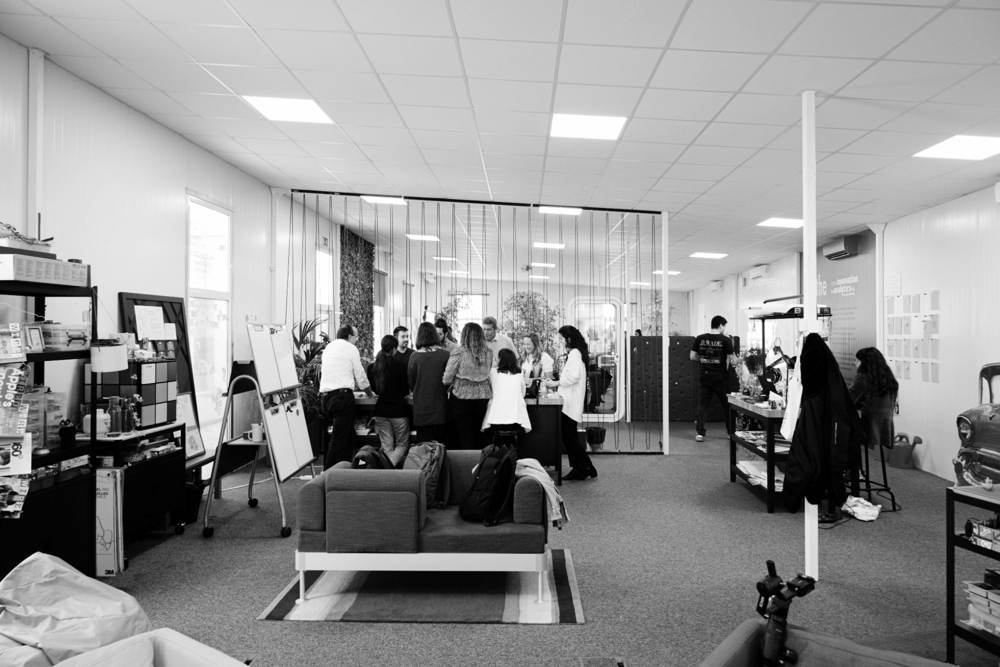
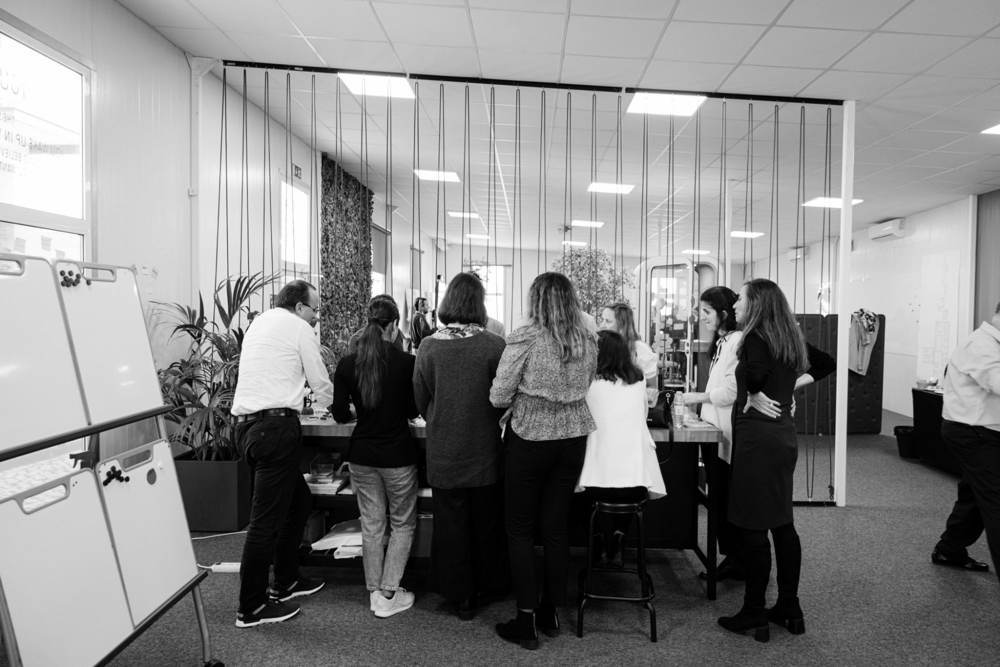
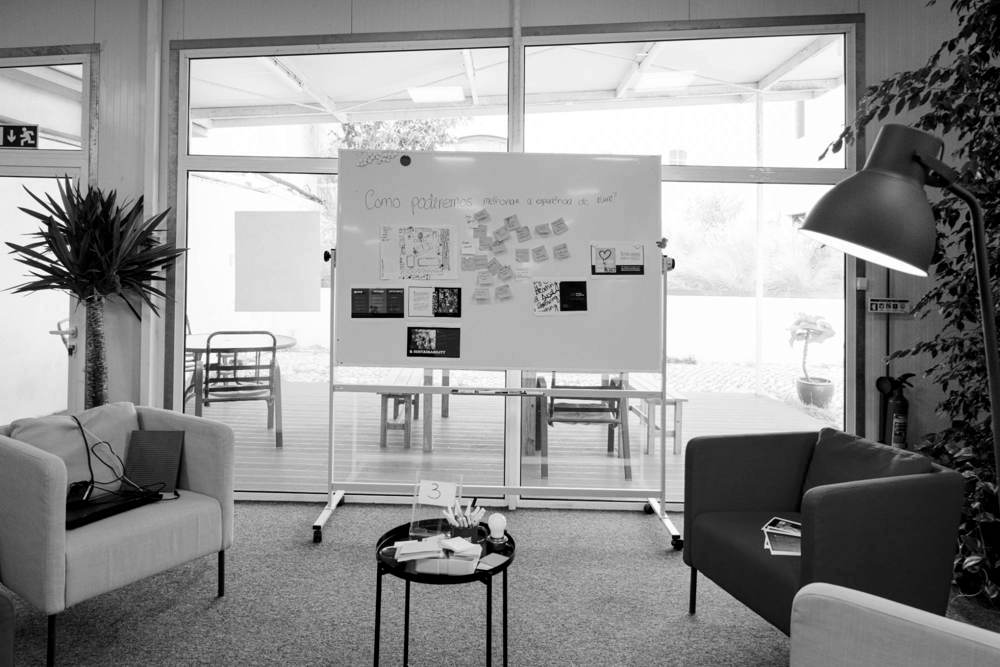
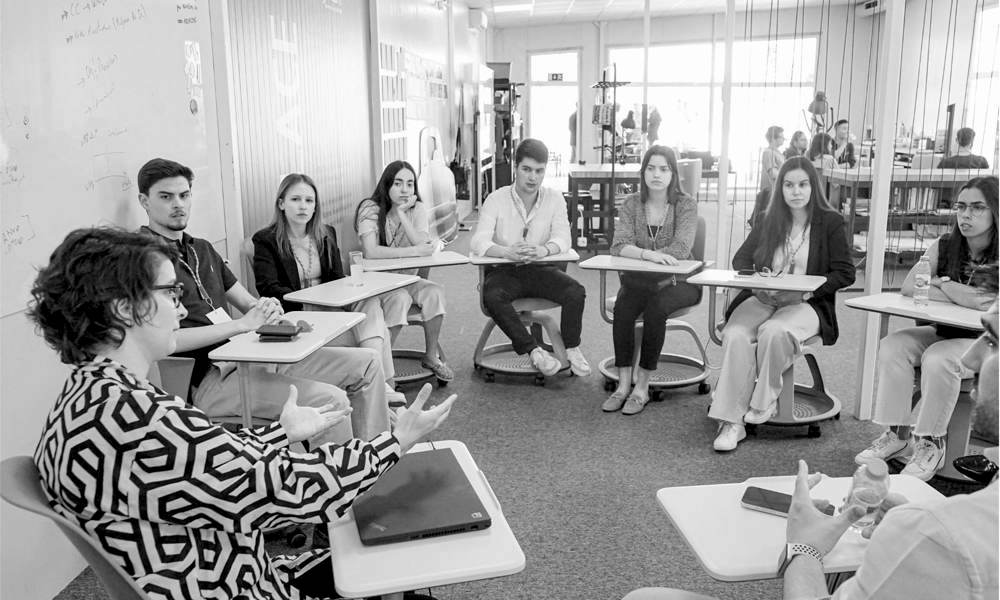
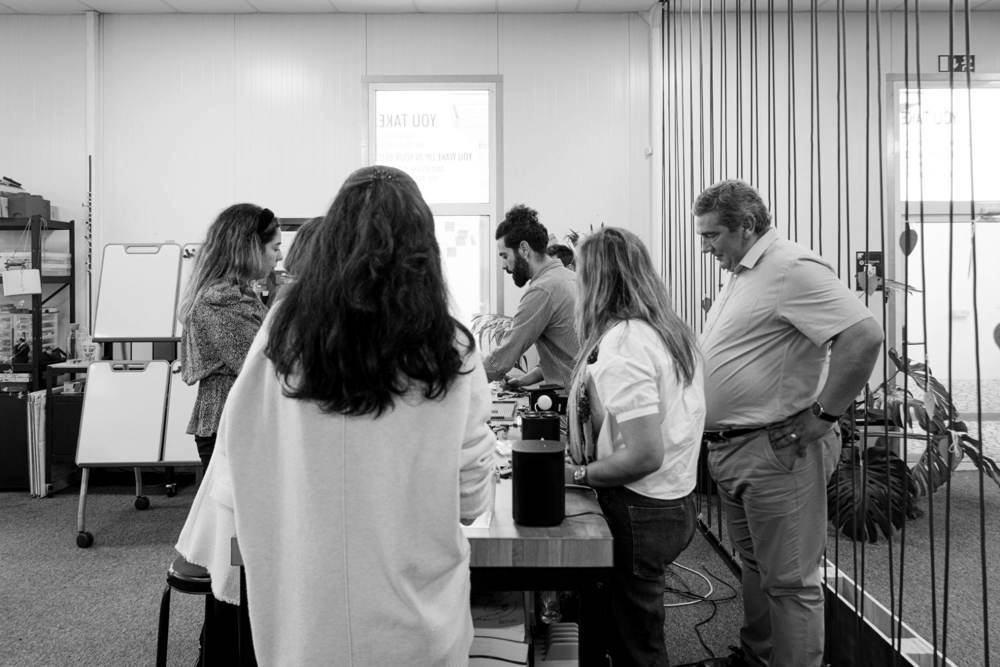
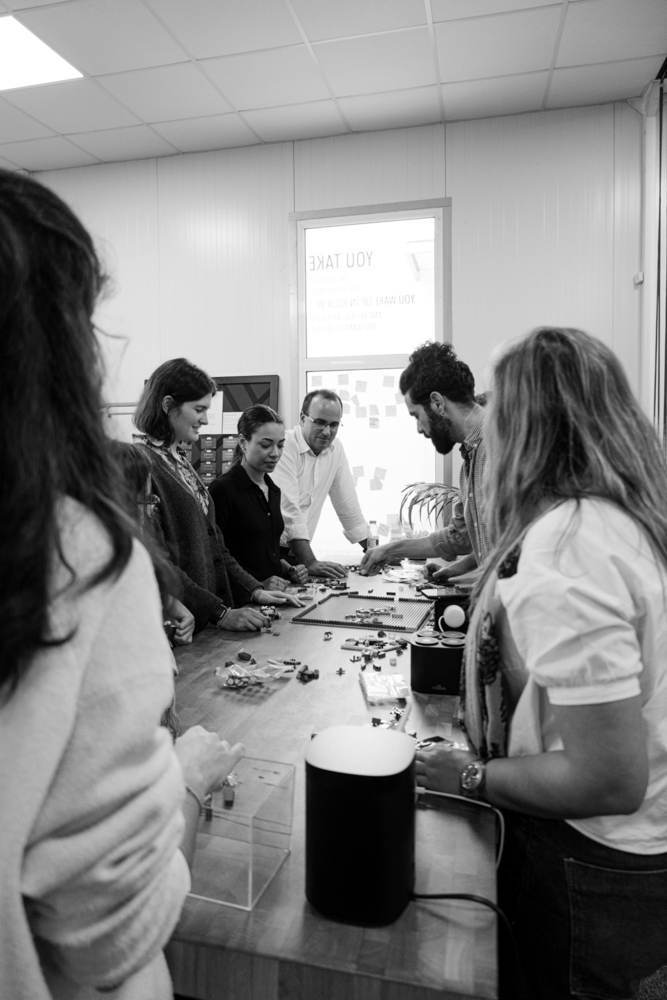
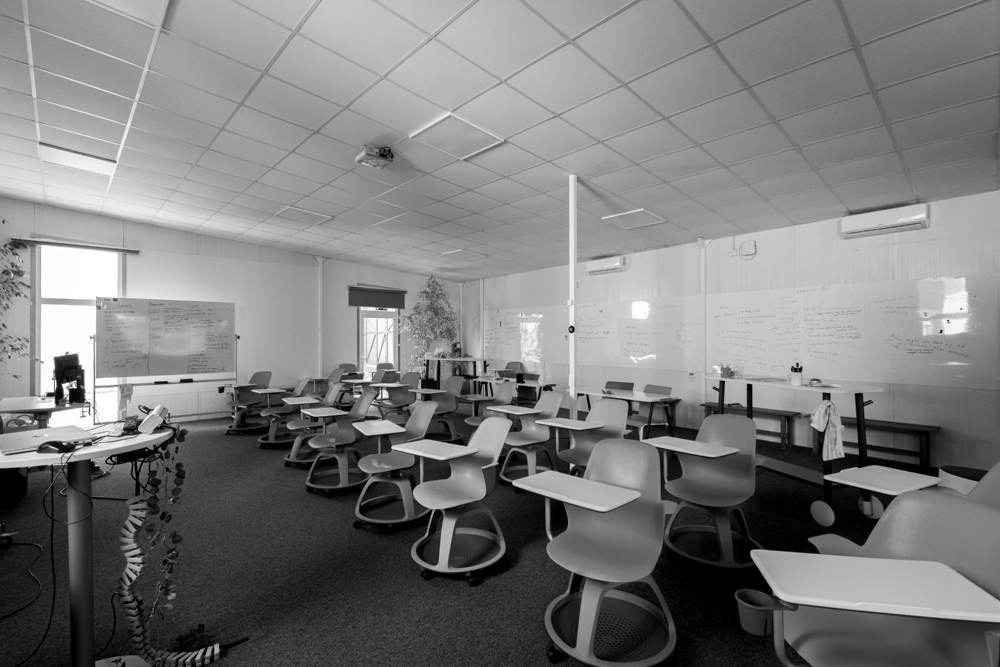
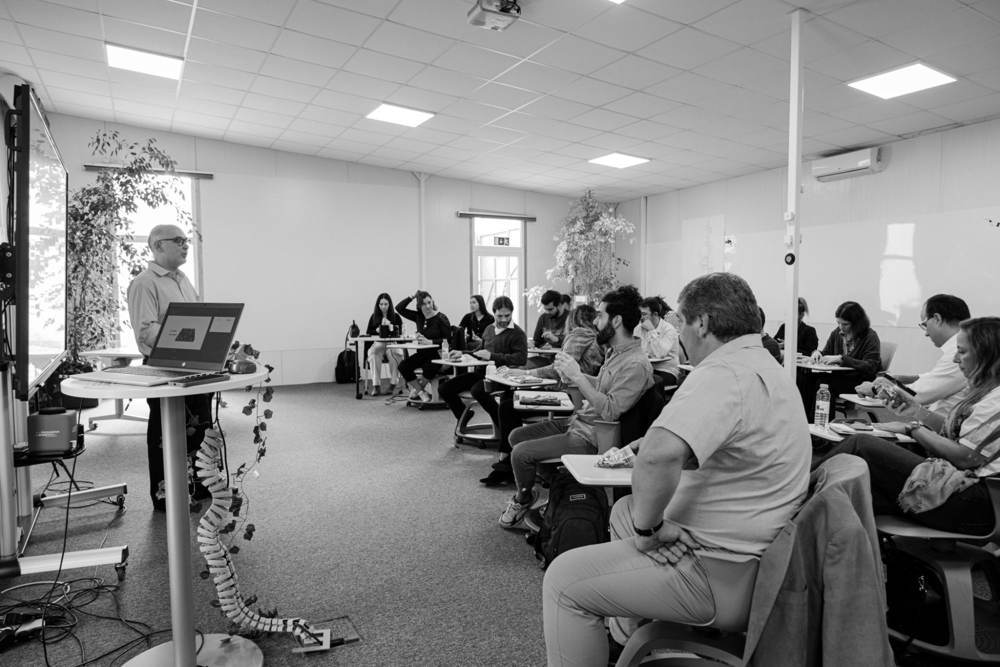
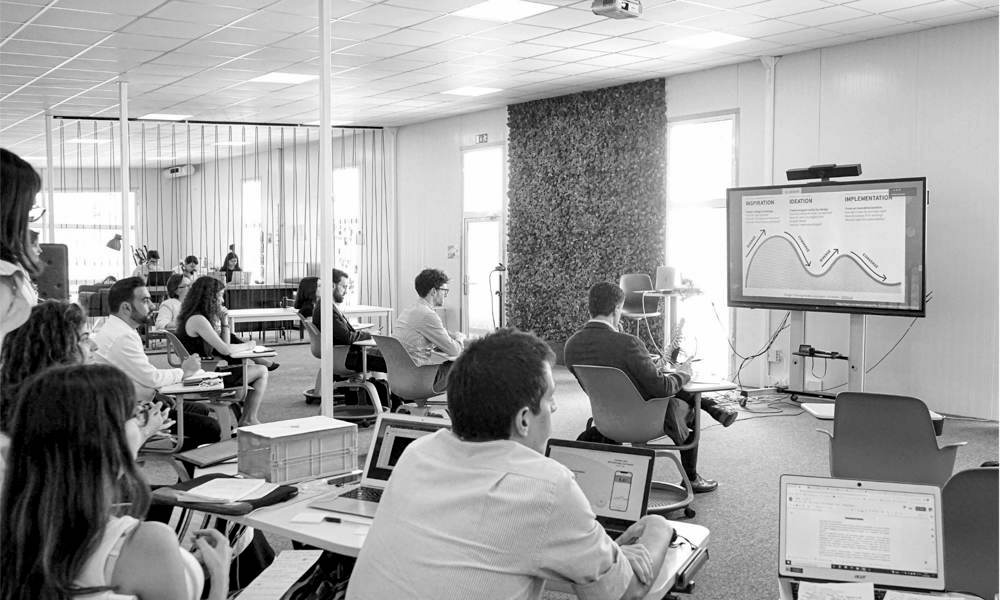
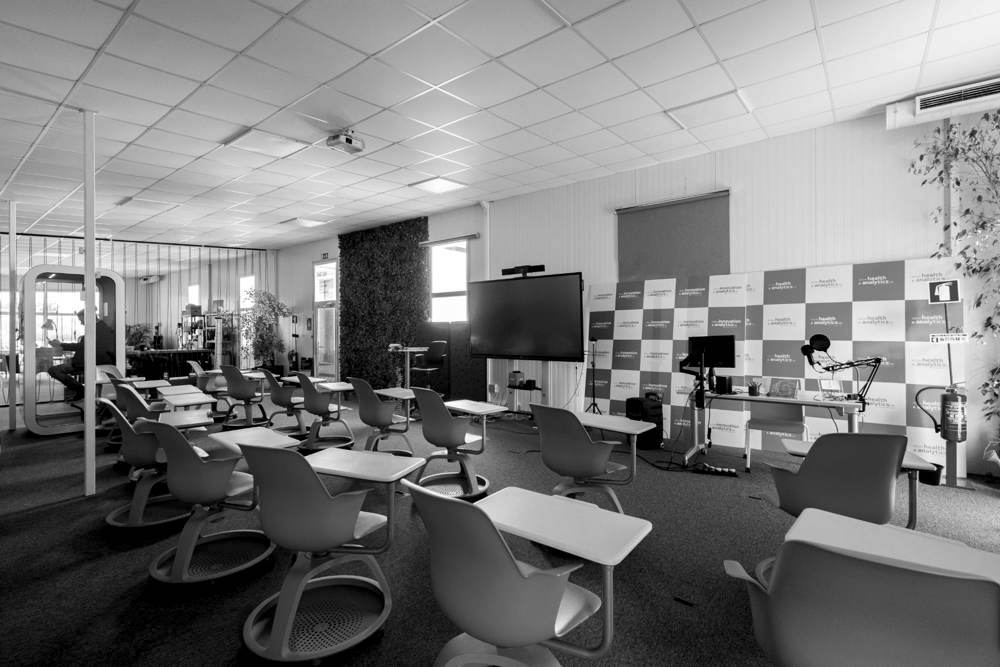
Design Thinking is how we frame, test and refine ideas with the people they are for. The lab's own space is designed to make that kind of work easier.

The classroom of the futureDrag an object to turn it

  • Ergonomics dimension

    Steelcase Furniture

    Shell colour
  • Nature dimension

    Green Wall

  • Ambient sensor

    Room sensor

  • Scent station

    Smelling scents

  • Ambient signal

    Light attached to the radar

  • Hybrid sessions

    Logitech Brio camera

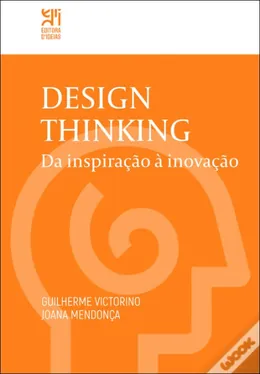
Cover of the book Design Thinking

Our Book

Design Thinking

Design Thinking, the book behind the Lab's methodology, written by founder Guilherme Victorino.

Buy ↗
Triple E Awards 2022, European awards for entrepreneurship and engagement in higher education

Award

Triple E Awards

Top 5 place for best innovation space in universities. We got there with an investment of just €5k; the winning space had invested €50 million.

View finalist page ↗

03Methodology

Three phases, one traceable path

Implementation · step 6 of 6

Prototyping, Testing & Refinement

The best option becomes something real enough to test, and to refine.

  • PilotA WhatsApp pre-order bot, piloted with 50 students over two weeks.
  • Refinement10-minute pickup slots caused a second queue, refined to staggered 5-minute slots.
  • ResultResult: average wait time dropped from 20 minutes to 6.

Project: Canteen Rush, a university canteen queue, followed from the first problem to a tested result.

Following this process we have full traceability.

04Services

What we do with organisations

We are experts in the process, not in one method. That keeps us agnostic, so every service is built around your challenge. Open a topic to see what it is and whether we offer it as a project, a workshop or executive training.

05Projects

120 plus projects

26 to read about

Each one taken from question to result. Open a folder, then point at a file to read its story.

  • Public sector. Government of the Azores: User-centred redesign of a public employment platform. Challenge: Recruitment processes that were not transparent and not built around the citizen. Outcome: Clearer processes, a user-first model and requirements for end-to-end digitalisation.
  • Public sector. Regional Government of the Azores: A 2030 workforce strategy built from 1,576 survey responses and 6 co-creation sessions. Challenge: An ageing workforce, rising digital demands, and the need to attract and retain talent. Outcome: A 2030 strategic framework with 6 dimensions and a phased action plan, including a 100-day plan and monitoring mechanisms.
  • Financial services. Banco Best: Behavioural audit of the fund investment journey. Challenge: Deciding to invest is complex and emotional; too many options increase uncertainty and stall action. Outcome: Recommendations to simplify choice and ease the journey, with decision-oriented prompts and content.
  • Public sector. Agência Nacional de Inovação: An internal innovation management model and change roadmap. Challenge: Complex structure and culture challenges, with no shared process for internal innovation. Outcome: Defined key themes, selected projects, and project narratives to support implementation.
  • Financial services. Amrop: A data and analytics maturity diagnostic and roadmap. Challenge: Data and AI ambitions fail when maturity, priorities and organisational capacity are misaligned. Outcome: Diagnosis by dimension and defined next steps in governance, process, incentives and capability.
  • Public sector. DGADR: Design principles for a national agricultural knowledge platform. Challenge: In agriculture, knowledge and innovation are scattered, and platforms without a clear value proposition see low adoption. Outcome: Prioritised design principles and features — simplicity, clarity, accessibility, collaboration — and reference models.
  • Public sector. Banco de Portugal: An intensive design thinking session on regulated-sector innovation. Challenge: Innovation in regulated organisations depends on culture, incentives and collaboration mechanisms, not just good ideas. Outcome: A map of ideas for quick wins in data and reporting, plus skills and literacy initiatives.
  • Public sector. Câmara Municipal de Lisboa: Multi-stakeholder co-creation for Lisbon's smart city strategy. Challenge: The city needed a consolidated vision and plan across many services and partners, with ongoing alignment. Outcome: From scattered perceptions to a structured portfolio: 8 critical dimensions and 101 initiatives for consideration.
  • Public sector. Centro Nacional de Cibersegurança: Two days of AI-assisted co-creation for a national cybersecurity strategy. Challenge: The CIS consortium needed to align priorities and turn cybersecurity and digital literacy challenges into executable actions. Outcome: From challenges to a plan: a consolidated map of proposals on digital skills, parental awareness and youth participation.
  • Financial services. COTEC Portugal / Banks: A cross-bank workshop reimagining credit analysis. Challenge: Banks face pressure to modernise credit analysis and add non-financial factors without losing rigour. Outcome: From numbers alone to a broader view: qualitative and ESG indicators, automation, and dashboards with new criteria.
  • Financial services. BPI Vida e Pensões: A design thinking programme to sharpen client-centred priorities. Challenge: BPI Vida e Pensões needed to strengthen client focus and align teams around the bancassurance model. Outcome: From generic themes to clear, prioritised challenges on client experience and internal alignment.
  • Public sector. Direção-Geral do Território: Digital monitoring and co-creation for national geospatial platforms. Challenge: Assessing and optimising the online presence of public digital platforms and their user experience. Outcome: Diagnosis of online presence, a roadmap for evolution, wireframes and governance recommendations.
  • Retail & services. Ferrero: In-store ethnography mapping purchase journeys and triggers. Challenge: Consumption decisions are strongly shaped by context, and this is hard to see from data alone. Outcome: Identification of behavioural frictions and triggers along the shopper journey.
  • Retail & services. Foundever: A national study on customer experience expectations for 2025. Challenge: Organisations need to anticipate future customer expectations to design relevant experiences. Outcome: A forward-looking map of customer experience dimensions and their practical implications.
  • Public sector. OesteCIM: Co-creation to make a region more investment-ready. Challenge: Regions face real friction attracting investment, from bureaucracy to fragmented information. Outcome: From local perceptions to a structured, prioritised set of proposals.
  • Retail & services. Grupo Impresa: Research and ideation on how young people relate to news. Challenge: Falling news consumption in traditional media and a shift to social platforms, creating monetisation and adaptation pressure. Outcome: A map of habits and barriers, validated personas, and prototypes for formats more relevant to younger audiences.
  • Education. NOVA School of Law: Design principles for a new law school campus. Challenge: Traditional spaces limit pedagogical innovation and complicate a major change in identity and community. Outcome: An integrated vision of space, pedagogy and culture, with design principles and personas for the new campus.
  • Retail & services. Vinha.pt: A rebuilt wine storefront that shows every bottle two ways: plain language or full expert detail. Challenge: Wine is sold online through technical criteria — region, grape, score — so shoppers who don't already know wine cannot choose with confidence. Outcome: A website redesign and a new communication platform. The brand moved from “the best curated online wine shop” to “the store that puts wine in moments”, a more human voice that brings the feel of a physical store into the online experience.
  • Retail & services. EDP: One platform to replace the silence after a customer signs — tracking, savings, and support in one place. Challenge: Across solar and electric mobility B2B services, customers felt lost the moment they signed: no visibility into installation status, no way to see their savings, no one clear contact when something went wrong. Outcome: A proposed single customer platform — real-time installation tracking, a savings dashboard, usage guidance and a personalised feedback channel — to close the communication gap found across all three segments.
  • Social Projects. RefuJob: A two-sided platform matching Ukrainian refugees with Portuguese employers. Challenge: When Ukrainian refugees arrived in Portugal, many had skills and experience and many companies had vacancies, but nothing connected the right person to the right job. Outcome: Questionnaires on both sides, "I am looking for a job" and "I am offering a job", organised the information and made the matches. More than 500 matches, with television and press coverage.
  • Social Projects. Nuvem Vitória: A pillow that tells stories, so hospitalised children keep their bedtime comfort. Challenge: The association's volunteers tell stories to children in hospital. COVID restrictions made that hard, but the children still needed comfort, distraction and stories. Outcome: A storytelling pillow among the ideas developed. The value is not the object but keeping an experience of comfort and connection when the usual way of offering it is no longer possible.
  • Social Projects. Careca Power: A safe digital space for people affected by breast cancer. Challenge: Patients, partners, family and caregivers have everyday questions and no appropriate place to ask them or to speak with people who understand. Outcome: The idea of a safe digital community where patients talk with one another and caregivers and family find support: belonging, reassurance, information and emotional support.
  • Social Projects. WISSI (Netmentora): Making algae as food understandable, attractive and relevant. Challenge: Algae can be nutritious and sustainable, but that does not mean people will eat them. How do you make this food more understandable and attractive to consumers? Outcome: Supported by the lab through Netmentora, which backs small businesses.
  • Social Projects. SWE (Netmentora): Finding new moments when ice cream is relevant. Challenge: Ice cream is tied to summer, dessert and holidays. In what other moments could it become more relevant? Outcome: Supported by the lab through Netmentora, which backs small businesses.
  • Social Projects. Sons da Lusofonia (Netmentora): Understanding how younger people relate to jazz. Challenge: A cultural challenge: how do younger people relate to jazz, and what might make that relationship stronger? Outcome: Supported by the lab through Netmentora, which backs small businesses and cultural organisations.
  • Social Projects. Anna Westerlund (Netmentora): New ways to make a ceramic atelier more dynamic and engaging. Challenge: How can a ceramic atelier become more dynamic and create new forms of engagement? Outcome: Supported by the lab through Netmentora, which backs small businesses and creative industries.

06Our path

How a project with us unfolds

A common path we walk together with every client: seven steps from the first conversation to what you take away.

  1. Get to know us

    Clients, projects, techniques

  2. Bring a challenge

    Visit the lab

  3. Plan & build team

    Client and lab together

  4. Engage and create

    Work with the lab team

  5. Discuss insights

    Review solutions together

  6. Manage re-entry

    Integrate into your context

  7. Iterate and learn

    Discuss the way forward

  8. Your turn

    Get in touch with us

    Start a conversation

07Partners & clients

Organisations we have worked with

From large companies to public institutions and social-impact initiatives.

Business

22 organisations

Public services

10 organisations

Social impact

6 organisations

Business: AbbVie, Ageas, Jerónimo Martins, Microsoft, EDP, Roche, Vodafone, Plot, José de Mello, Disney, Galp, COTEC Portugal, Impresa, Sanofi, The Navigator Company, Pfizer, Janssen, Ayvens, Montepio, Bayer, VINCI, Vinha.pt. Public services: Lisboa E-Nova, Centro Nacional de Cibersegurança, Direção-Geral do Território, NOVA University Lisbon, Governo dos Açores, aicep Portugal Global, Câmara Municipal de Lisboa, AMAL, República Portuguesa (Agricultura e Pescas), IAPMEI. Social impact: RefuJOB, Nuvem Vitória, Sons da Lusofonia, Associação Careca Power, Netmentora, Wizzi.

08Publications

Research behind the practice

Peer-reviewed articles and conference papers from the lab and its collaborators. Pick one off the board.

  1. Design Thinking for Organizational ChangeA systematic review of enablers and barrierssciencedirect.comOpen paper, opens in a new tab
  2. Enhancing Corporate Innovation through Generative AIA case study on Human-AI collaborationsciencedirect.comOpen paper, opens in a new tab
  3. Enhancing Creativity & Collaboration in Data ScienceThe impact of AI-augmented brainstormingjournals.vilniustech.ltOpen paper, opens in a new tab
  4. Institutional Design Thinking for Entrepreneurial GovernanceWhen employability success is not enoughiated.orgOpen paper, opens in a new tab
  5. Rethinking the Campus Experience in a Post-COVID WorldA multi-stakeholder Design Thinking experimentmdpi.comOpen paper, opens in a new tab
  6. Transforming Learning EnvironmentsA smart environment control system for Design Thinking spaceslink.springer.comOpen paper, opens in a new tab
  7. Uncovering ‘Weak Signals’ through Patient Journey MappingRedesigning the medical consultation roomlink.springer.comOpen paper, opens in a new tab
  8. Fast-track Health Technology Assessment for in-vitro diagnosticsA design thinking case studyinnovations.bmj.comOpen paper, opens in a new tab
  9. The Value of Design Thinking for PhD StudentsA retrospective longitudinal studyijournalse.orgOpen paper, opens in a new tab
  10. Economic Burden of Atopic Dermatitis in PortugalA cross-sectional studypubmed.ncbi.nlm.nih.govOpen paper, opens in a new tab
  11. Why Public Health Needs Human-Centred InnovationA design thinking agenda for public healthpmc.ncbi.nlm.nih.govOpen paper, opens in a new tab
  12. Consenso Estratégico Nacional para a Doença Renal DiabéticaNational strategic consensus on diabetic kidney diseaserun.unl.ptOpen paper, opens in a new tab
  13. Design of Learning EnvironmentsA room affecting what we do and how we feelnovaresearch.unl.ptOpen paper, opens in a new tab
  14. Design Thinking under Post-Human ConditionsConference paper · Universidade de Lisboa, 2026run.unl.ptOpen paper, opens in a new tab

Browse student theses ↗

09Products

Our Products

01Live now

Cre8

8 research-grounded games for creativity, innovation & empathy.

  • 8research-grounded games
  • 3pillars: creativity, innovation, empathy
Visit Cre8

02Live now

Inventure

AI-facilitated Design Thinking workshops with real-time validation.

Visit Inventure

03

Creativity Gym

Analyse your team's creativity, then train it.

Work in progress

10Team

The people behind the lab

The people behind the lab. Scroll sideways (or drag) to meet them group by group. Click or tap a card to open the person.

01 / 06

Founders

02 people
  • Guilherme Victorino

    Founder

  • Roberto Henriques

    Co-Founder

02 / 06

Executive director

01 person
  • Ana Teresa Pena

    Executive Director

03 / 06

Lab managers

02 people
  • Beatriz Sousa

    Lab Manager

  • Shaheelah Latif

    Lab Manager

04 / 06

Researchers

02 people
  • Ana Cunha

    Researcher

  • Carolina Rodrigues

    Researcher

05 / 06

Affiliates

02 people
  • Vasco Santos

    Affiliate

  • Duarte Ayres

    Affiliate

06 / 06

Advisors

05 people
  • António d'Oliveira-Martins

    Advisor

  • Francisco Brandão

    Advisor

  • João Cordeiro

    Advisor

  • João Martins

    Advisor

  • Sofia Costa Quintas

    Advisor

11FAQ

Questions people ask us

About the lab

What is the NOVA Innovation & Analytics Lab?

We are a lab powered by NOVA IMS that works at the intersection of people and data. For us, innovation means new, positive and impactful ways to create meaningful learning opportunities and help people untangle complexity and make better decisions.

How is the lab connected to NOVA IMS?

The lab is part of NOVA Information Management School (NOVA IMS), Universidade NOVA de Lisboa, and is based on its Campus de Campolide in Lisbon.

What methodology do you use?

Design Thinking, organised in three phases: Inspiration, Ideation and Implementation. A challenge is framed from people's pains, needs and dreams; research and insights reframe it as a "How Might We" question; ideas are generated, then prototyped, tested and refined, with full traceability from start to finish.

The approach is described in the book Design Thinking by the lab's founder, Guilherme Victorino.

Working with us

What services do you offer?
  • Innovation Sprints — three formats (3 days, 3 weeks, 3 months) to move a real challenge from open question to tested direction.
  • Co-creation sessions — bringing together teams, clients, users or stakeholders to generate ideas, validate assumptions and find opportunity spaces.
  • Co-creation with AI — teams and AI working side by side to explore more options and validate assumptions faster.
  • AI prototyping — from concept to a testable experience in a fraction of the usual time.
  • Leadership Development — programmes that build leadership and agility.
  • Creativity and Problem Solving — hands-on training in ideation and creative methods.
What does a project with the lab look like?

Our common path has eight steps: get to know us, bring a challenge, co-create a proposal, develop the plan and build the team, engage and create together, discuss insights, manage re-entry into your context, and iterate and learn.

Who have you worked with?

Organisations in the public sector, financial services and social impact, including the Government of the Azores, Banco de Portugal, Câmara Municipal de Lisboa, Agência Nacional de Inovação, Centro Nacional de Cibersegurança, DGADR, Banco Best, Amrop and COTEC Portugal. You can browse selected projects and our partners inside the lab experience.

What products has the lab created?
  • Cre8 — eight research-grounded games for creativity, innovation and empathy.
  • Inventure — AI-facilitated Design Thinking workshops with real-time validation.
  • Creativity Gym — analyse your team's creativity, then train it. Coming soon.
How do I get in touch?

Email innolytics@novaims.unl.pt, or find us at NOVA IMS, Campus de Campolide, 1070-312 Lisbon, Portugal.